Observing the Green Flash at Sunset: A Complete Guide
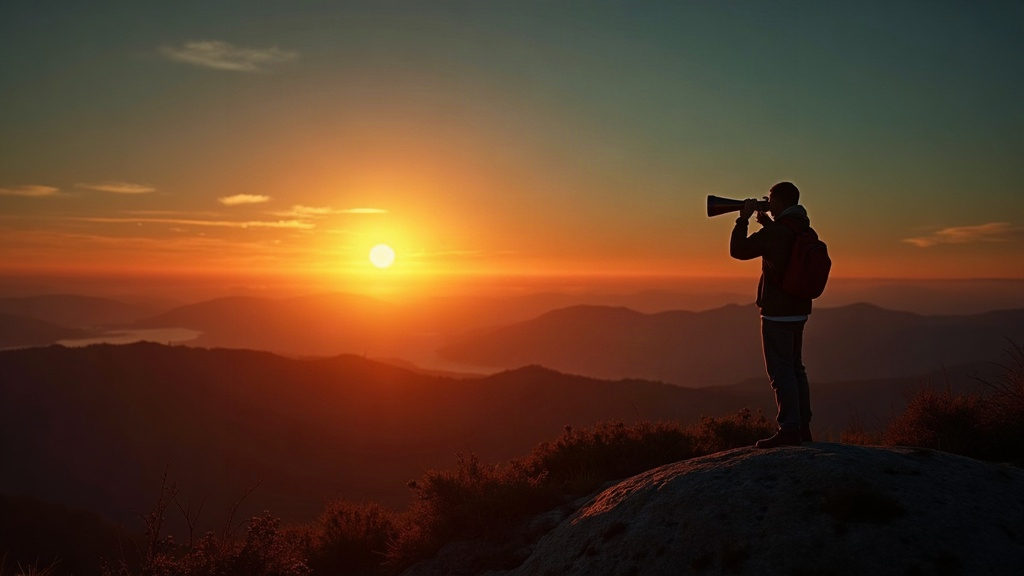
The Green Flash: What It Is and How to Actually See One
The green flash is that brief, almost blink-and-you-miss-it burst of green light that sometimes shows up right at the top edge of the sun as it drops below the horizon (or, less commonly, as it comes up). It’s real. This isn’t some internet myth or a lens artifact people mistake for magic. It’s atmospheric refraction doing its thing. But catching one isn’t just a matter of looking up at the right moment. You need weather, location, and timing to line up almost perfectly. Here’s what causes it, where to chase it, and how to watch (or shoot) it without frying your retinas.
What Exactly Is the Green Flash?
Think of Earth’s atmosphere as a weak, lazy prism. It bends sunlight by different amounts depending on wavelength, and as the sun sinks toward the horizon, blue and green light get bent more sharply than red and orange. The result: the sun’s image effectively splits into overlapping colored discs, stacked on top of each other. Under normal circumstances you’d never notice this, because the green portion gets scattered by the atmosphere and buried under the far brighter red and yellow light. But when conditions line up right, particularly a sharp, stable temperature inversion sitting low near the horizon, that green rim pops into view for a second, maybe two, right as the last sliver of sun disappears.
“Green flash” is actually an umbrella term covering a few related effects:
- Mock mirage flash – the common one, quick and tied to straightforward atmospheric bending
- Inferior mirage flash – shows up over warm surfaces, think desert sand or a flat, calm ocean
- Green ray – much rarer, a vertical beam of green that can linger several seconds, occasionally visible even after the sun has technically set
Atmospheric Conditions You Need
Not every sunset is a candidate. Whether you see anything at all comes down to how stable and clean the air is that evening.
Clear, Unobstructed Horizon
You want a flat line all the way to the edge of the world, no clouds, no haze, no mountain ridge or rooftop cutting into those last few seconds of sunset. Ocean horizons work best. High desert plains and mountain overlooks are good substitutes if you’re nowhere near the coast.
Temperature Inversion
A pocket of warm air sitting above cooler air near the surface amplifies the refraction. This happens a lot over cold ocean water on still days, which explains why green flash sightings cluster around places like Hawaii, the Canary Islands, and stretches of California’s Pacific coast.
Low Humidity and Minimal Turbulence
Humid air scatters light and smears out the delicate color separation you’re hoping to see. Dry, settled air, the kind you get at altitude, gives you a much better shot.
Clean Air
Smoke, dust, and general urban haze scatter and soak up light, flattening contrast. A rural lookout or an elevated spot away from city smog will usually beat a beach next to a highway.
When and Where to Look
- Best locations: west-facing coastlines (east-facing if you’re chasing a sunrise flash), high-altitude observatories, open desert horizons
- Best season: less about the calendar, more about the weather pattern. A stable high-pressure system with calm, clear skies matters far more than the time of year
- Best time: the last 10 to 15 seconds before the sun fully drops below the horizon
Get there at least 20 minutes early. Use that time to check the horizon and judge the sky clarity before the real moment arrives.
Safe Viewing Practices
Here’s the part that actually matters more than anything else: do not stare at the sun with your bare eyes, binoculars, or a telescope while it’s still bright. The green flash only becomes safely visible in those final seconds, once the sun’s disc is nearly swallowed by the horizon and its glare has faded enough that a brief glance won’t hurt you. Even then, don’t linger.
- Keep binoculars and telescopes away from your eyes until the sun is almost entirely gone. Magnified sunlight can damage your eyes instantly, even when the sun looks low and “safe.”
- Shooting photos? Use a zoom lens and frame your shot through the LCD screen, not an optical viewfinder, while the sun still has any real brightness left.
- A polarizing filter can sharpen the color contrast in your photos a bit, and it’s completely safe since you’re viewing the scene on a screen, not staring through glass straight at the sun.
Realistic Expectations
Here’s the honest truth: if you keep showing up to sunsets and actually watch, you’ll probably catch a green flash eventually. But any single evening? No guarantees. Even at a prime coastal spot with everything seemingly in your favor, people cite success rates somewhere around 10 to 40%, depending on how stable the atmosphere is that particular day. The trick is persistence. Check the forecast (clear sky, light wind, no haze hanging around), show up anyway when conditions look decent, and repeat. Your odds climb with every attempt.
Conclusion
This isn’t folklore passed around by people who’ve had one too many sunset cocktails. The green flash is a documented, physics-based phenomenon, and it’s within reach if you put in a little effort. Find a clean horizon, understand what a temperature inversion is doing to the light, time your glance for those final seconds, and follow basic eye safety. Do that, and an otherwise unremarkable sunset can turn into something genuinely rare to watch.