Maksutov-Cassegrain vs Small ED Refractor for Lunar Crater Sketching
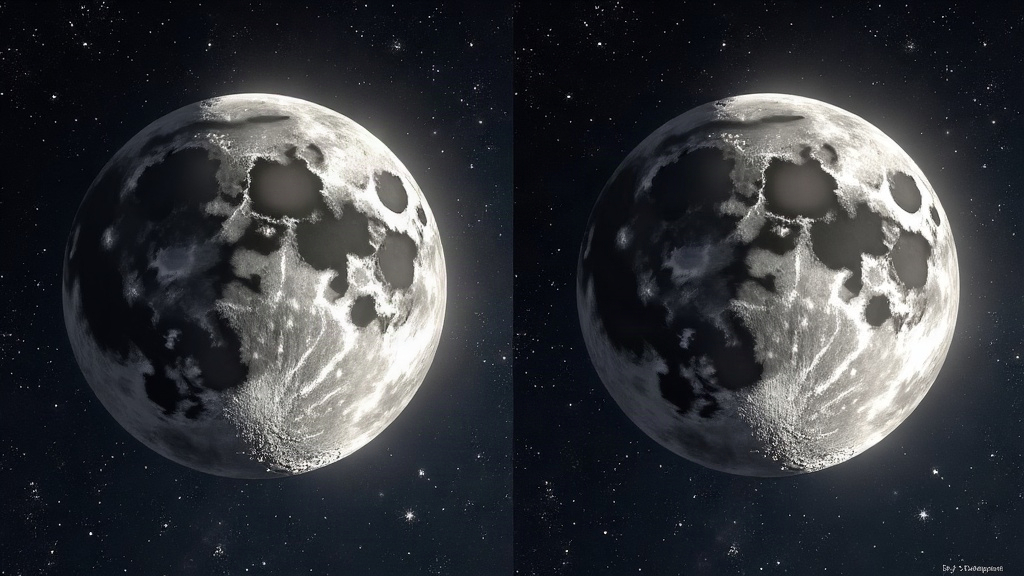
If you sketch lunar craters for fun or take selenography seriously, the choice between a Maksutov-Cassegrain (Mak) and a small ED refractor really comes down to three things: optical contrast, cooldown time, and how long your back can tolerate sitting at the eyepiece. Both designs give you sharp, high-contrast lunar views, but they get there through completely different paths. That difference starts to matter a lot once you’re trying to pin down fine crater rims, rilles, and terminator shadows on paper.
Why the Moon Is a Different Target Than Planets or Deep Sky
Lunar sketching rewards instruments that hold a crisp, stable image at moderate to high magnification (150x-250x) for 20 to 60 minutes at a stretch. You’re not chasing faint photons like with galaxies, the Moon is plenty bright even through small apertures, so the real battles happen elsewhere:
- Thermal stability (tube currents will ruin fine detail faster than you’d think)
- Edge-to-edge sharpness across the field, especially for wide crater fields
- Color fringing, which can mask subtle albedo differences on crater floors
- Comfort during long sessions, since sketching means parking yourself in one spot far longer than a casual glance
Maksutov-Cassegrain: Pros and Cons for Sketching
A 90mm-127mm Mak (think Celestron NexStar 127SLT or Sky-Watcher Skymax 127) is a sketcher’s favorite for one simple reason: contrast. The long focal length (typically f/12-f/15) and fully baffled tube produce exceptionally crisp images with almost no false color. Crater rim shadows and subtle floor textures just pop, honestly in a way that’s hard to match with other designs in this price range.
Strengths:
- Outstanding natural contrast, ideal for rendering shadow gradients with real accuracy
- Compact, lightweight tube relative to its aperture; sits nicely on a sturdy alt-az mount
- The narrow native field actually works in your favor when sketching a single crater or small cluster
Drawbacks:
- Slow cooldown. The thick meniscus corrector can take 30 to 60-plus minutes to settle to ambient temperature. Start sketching too soon and you’ll be fighting tube currents that smear out your rilles right when you need them crisp.
- A smaller true field means sketching large formations (Clavius, say, or the Apennine range) involves more panning or stitching together separate views.
- The central obstruction softens contrast slightly compared to an unobstructed refractor, though on the Moon this is barely worth mentioning in practice.
Small ED Refractor: Pros and Cons for Sketching
A 70mm-102mm ED doublet or triplet (William Optics ZenithStar 73, Sky-Watcher Evostar 72ED, Orion ED80, pick your flavor) offers a different kind of precision altogether.
Strengths:
- Fast cooldown, usually just 10-15 minutes, so you’re sketching almost as soon as the tripod legs are locked
- A wider true field at low power, great for framing an entire crater chain or taking in the full terminator before zooming into detail
- Flat, pinpoint images with excellent off-axis sharpness, especially on a good triplet
- A lighter setup overall, which matters more than people admit on a Tuesday night after work
Drawbacks:
- Smaller aperture (70-102mm against 90-127mm on most Maks) means a bit less raw resolving power on the finest craterlets
- Doublets can throw a touch of violet fringing along the Moon’s bright limb, annoying when you’re trying to judge true albedo tones for your shading
- You’ll need a decent 2x-3x Barlow to reach useful lunar magnifications, which means another glass element in the light path (and a small contrast tax to pay for it)
Side-by-Side: What Actually Matters for Sketching
| Factor | Maksutov-Cassegrain | Small ED Refractor |
|---|---|---|
| Contrast on shadow detail | Excellent | Very good (minor CA on bright limb) |
| Cooldown time | 30-60+ min | 10-15 min |
| True field of view | Narrow | Wide |
| Portability | Compact, moderate weight | Very light |
| Max useful magnification | Higher (larger aperture) | Lower unless Barlowed |
| Best for | Close-up single-crater studies | Wide terminator sweeps, quick sessions |
Which Should You Choose?
- Go with a Mak if you sketch methodically, you’re the type who plans a session an hour ahead to let the scope cool properly, and you want maximum contrast for capturing fine shadow gradation inside a crater like Tycho or Copernicus.
- Go with a small ED refractor if your sketching happens on impulse on a weeknight, you want a wide field to put an entire crater chain in context, and you have zero patience for waiting around while a tube settles.
A lot of serious lunar sketchers, honestly, end up owning both. The refractor comes out for quick weeknight sessions and wide terminator overviews; the Mak gets reserved for a planned, clear evening spent on a deep dive into one formation.
Final Thoughts
There’s no scope here that wins outright, only the one that fits how you actually sketch. If patience and contrast top your list, the Maksutov-Cassegrain pays you back with razor-sharp, high-contrast crater detail every time. If spontaneity and wide-field context matter more to you, a small ED refractor has you observing (and drawing) within minutes of setting up. Either way, pair whichever scope you pick with a good 6mm-9mm Plössl or orthoscopic eyepiece, keep a steady red-light setup near your sketchpad, and you’ll walk away with accurate, genuinely beautiful renderings of the Moon’s craters.